7 CPAP Alternatives That Actually Work in 2026
August 9, 2026 · 7 min read · By the SleepEase team
Let's be fair to CPAP: it works. Continuous positive airway pressure remains the reference treatment for moderate to severe sleep apnea, and for many people it's life-changing.
The problem is that it only works when you use it, and studies consistently suggest that a large share of users, often estimated between a third and a half, abandon their machine within the first year. Masks leak, skin gets irritated, partners struggle with the noise, travel becomes a logistics exercise. If that's you, you're not weak-willed. You're normal, and you have options.
1. Oral appliances (mandibular advancement devices)
Custom-fitted mouthpieces hold your lower jaw slightly forward, pulling the tongue base away from the back of the throat. Dental-fitted versions have solid evidence for mild to moderate apnea. Downsides: jaw soreness, bite changes over time, nightly wear forever, and a real cost for the custom versions.
2. Positional therapy
If your apnea is much worse on your back (your sleep report will say so), training yourself to side-sleep can meaningfully cut your event count. Modern positional trainers vibrate gently when you roll over. Cheap and harmless, but it only helps position-dependent apnea, and it manages the problem rather than changing it.
3. Airway muscle training
This is the approach that has moved fastest in recent years. The logic: obstructive events happen because the throat muscles can't hold the airway open once you fall asleep, so strengthen those muscles. Two routes exist:
- Myofunctional therapy: daily mouth, tongue, and throat exercises. Meta-analyses have found significant reductions in apnea severity and snoring, with the obvious catch that you must actually do the exercises, every day, for months.
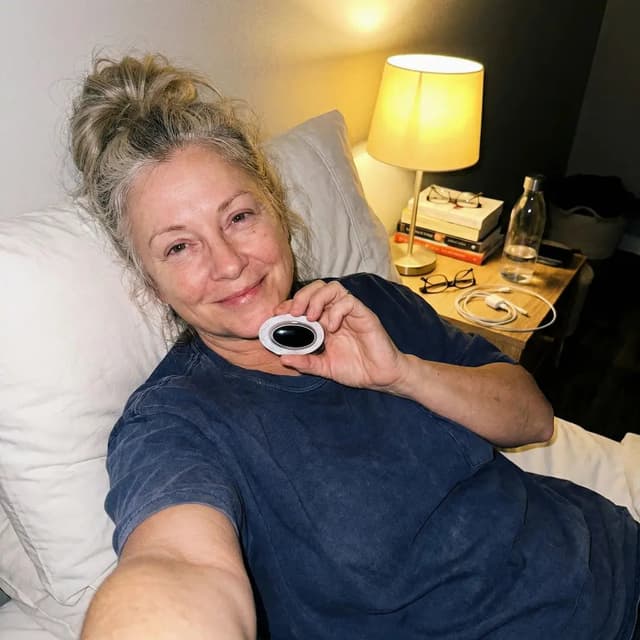
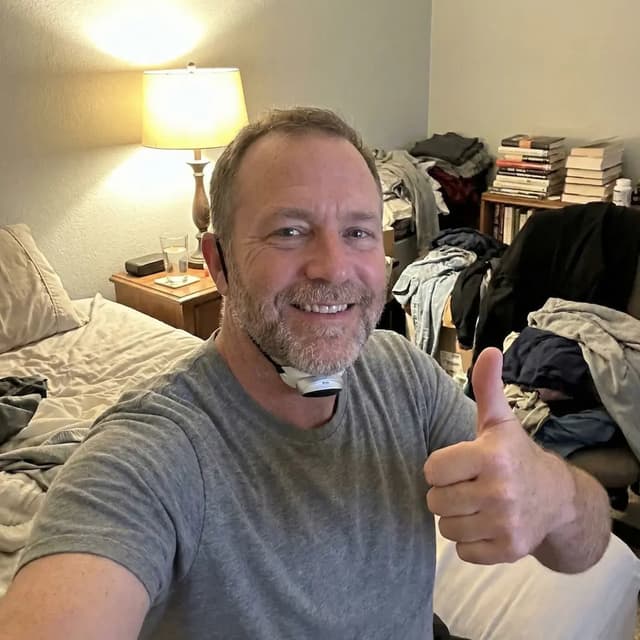
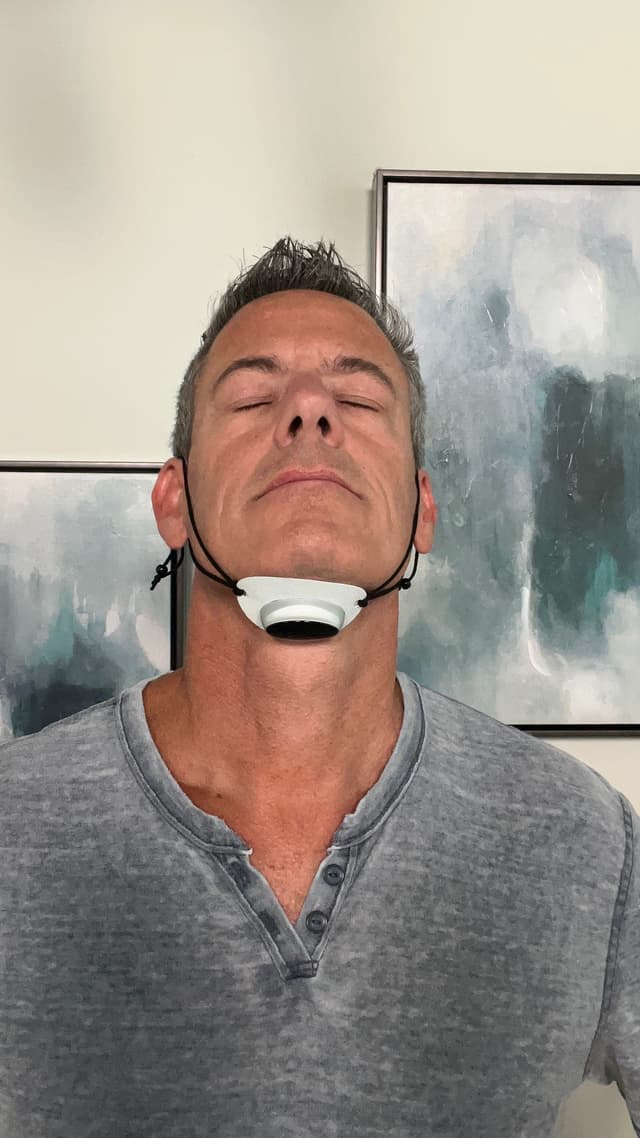
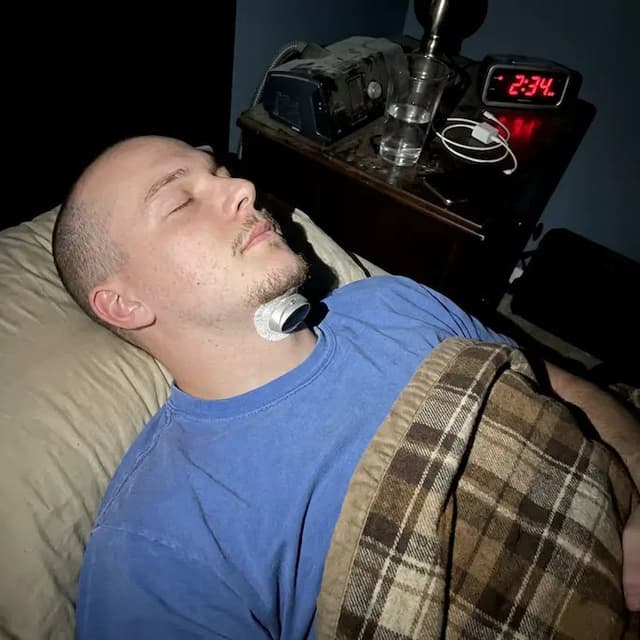
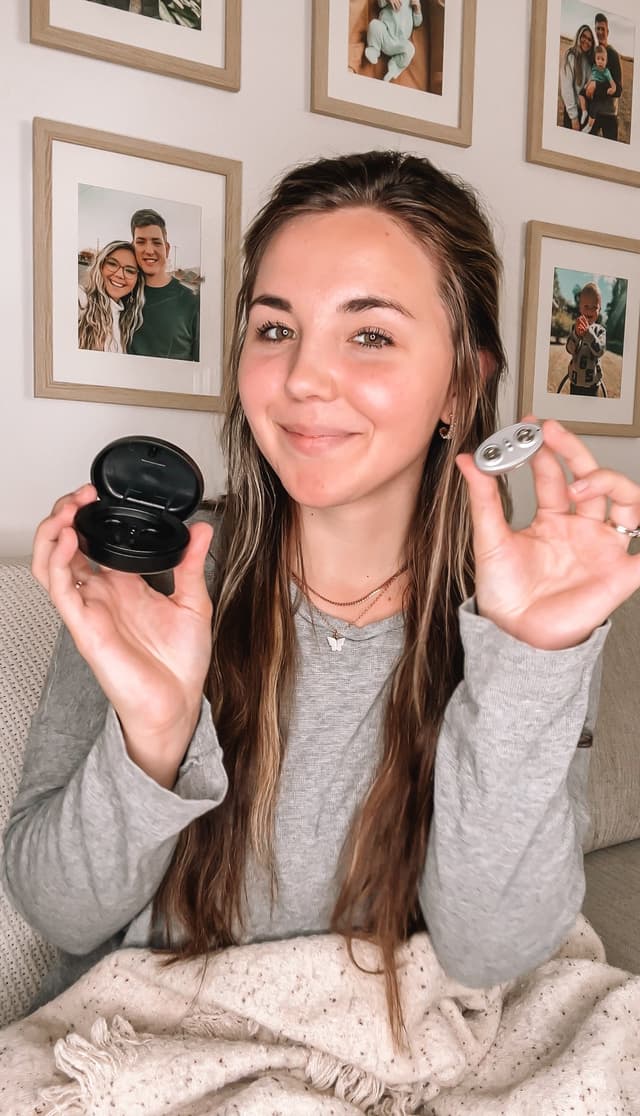
- Neuromuscular electrical stimulation (EMS): devices that deliver gentle stimulation to the airway muscles, training tone without conscious effort. The same muscle-strengthening principle, automated. This is the mechanism SleepEase Pro is built on: worn during sleep, it works the muscles that keep the airway open, with the goal of lasting tone after a few months of consistent use.
What makes muscle training different from every other option on this list is the endpoint: the other approaches manage the airway every single night forever. Training aims to change the airway itself.
4. Weight loss
For people carrying extra weight around the neck, weight loss can substantially reduce apnea severity, and in some cases resolve it. It's also the slowest option and doesn't help the many lean people with apnea. Worth pursuing for overall health regardless.
5. Hypoglossal nerve stimulation (implant)
A surgically implanted device stimulates the nerve that controls the tongue, moving it forward with each breath. Effective for carefully selected patients who failed CPAP, but it's surgery, it's expensive, and eligibility criteria are strict.
6. Airway surgery
Procedures range from soft palate surgery (UPPP) to jaw advancement. Results are highly variable and less predictable than most people expect; recovery is genuinely rough. Most sleep physicians treat surgery as a last resort, and jaw advancement, the most effective option, is a major operation.
7. Nasal strips, sprays, and dilators
Honest assessment: these help nasal airflow and can quiet simple snoring, but obstructive apnea happens in the throat, not the nose. Useful as a supporting act, not a treatment.
How to choose
Match the tool to the problem. Position-dependent apnea responds to positional therapy. A crowded nose needs the nose fixed. But the common denominator in almost every case of obstructive apnea is airway muscle that gives up when you fall asleep, which is why muscle-based approaches deserve a place in the conversation, especially if a machine on your face every night for the rest of your life doesn't feel like a plan you'll stick to. Whatever you choose, make the decision with your doctor, and if you're currently on CPAP, don't stop without a plan.
This article is for informational purposes only and is not medical advice. SleepEase Pro is a wellness device and is not intended to diagnose, treat, cure, or prevent any disease. If you suspect you have sleep apnea or another sleep disorder, consult a qualified healthcare professional.