Why Do I Snore Every Night? 7 Common Causes Explained
August 2, 2026 · 6 min read · By the SleepEase team
Occasional snoring happens to almost everyone. A late dinner, a glass of wine, a blocked nose. But snoring every single night is different: it almost always has an identifiable cause, and most of those causes can be worked on once you know what you're dealing with.
Here are the seven most common reasons people snore nightly, roughly in order of how often they show up.
1. Weak throat muscles
This is the big one, and the least talked about. When you fall asleep, every muscle in your body relaxes, including the muscles that hold your airway open. If those muscles have lost tone, the soft tissue at the back of your throat collapses inward. Air has to squeeze through a narrower passage, the tissue vibrates, and that vibration is the sound of snoring.
Muscle tone in the throat declines with age, just like everywhere else in the body. That's why many people who never snored in their twenties snore nightly in their forties. The encouraging part: muscles respond to training. Research on myofunctional therapy (structured mouth and throat exercises) has repeatedly measured meaningful reductions in snoring frequency and intensity when the muscles are worked consistently.
2. Sleeping on your back
Gravity pulls your tongue and soft palate backward when you sleep face-up, narrowing the airway. Many nightly snorers are simply back sleepers. Positional therapy, training yourself to sleep on your side, reduces snoring for a large share of people, though it does nothing for the underlying muscle tone.
3. Nasal obstruction
A deviated septum, chronic allergies, or congestion force you to breathe through your mouth, and mouth breathing makes the airway far more likely to vibrate. If you only snore during allergy season or when you have a cold, your nose is probably the culprit.
4. Alcohol and sedatives
Alcohol is a muscle relaxant. A drink within a few hours of bed relaxes your throat muscles beyond their normal sleep state, which is why even non-snorers snore after a night out. Sedative medications can have the same effect. If your snoring is dramatically worse on evenings you drink, this is at least part of your answer.
5. Weight around the neck
Extra tissue around the neck compresses the airway from the outside. Neck circumference is one of the strongest predictors of snoring in sleep research. Weight loss helps many people, but plenty of lean people snore too, because tissue pressure is only one factor among several.
6. Age-related tissue changes
Beyond muscle tone, the soft palate itself tends to lengthen and loosen over the years, giving it more surface to vibrate. This is why snoring tends to creep up gradually rather than appearing overnight.
7. Undiagnosed sleep apnea
Loud, nightly snoring, especially with pauses, gasping, or choking sounds, can be a sign of obstructive sleep apnea, where the airway doesn't just narrow but repeatedly closes. If a partner has noticed you stop breathing, or you wake up exhausted no matter how long you sleep, talk to a doctor about a sleep study. Sleep apnea is common, underdiagnosed, and worth taking seriously.
The bottom line
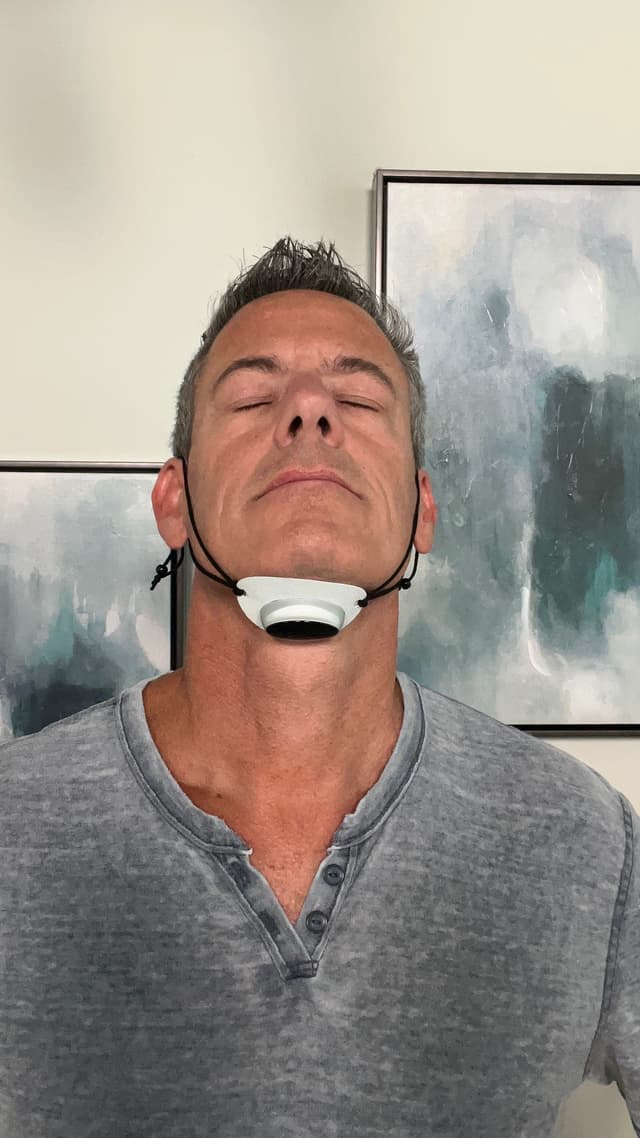
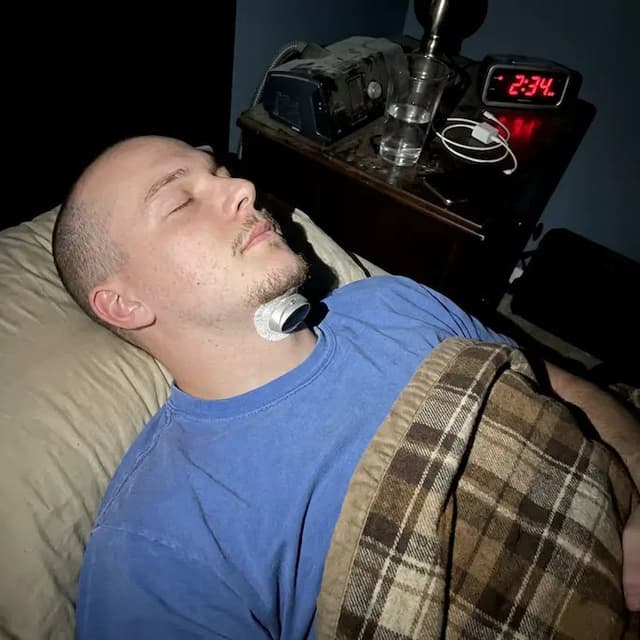
Nightly snoring is a signal, not a personality trait. Most causes trace back to one mechanism: soft tissue collapsing into a relaxed airway. Position, congestion, and alcohol make it worse; muscle tone determines how vulnerable your airway is in the first place. That's why approaches that strengthen the airway, from structured throat exercises to gentle muscle stimulation while you sleep, target the root of the problem rather than just the symptom.
This article is for informational purposes only and is not medical advice. SleepEase Pro is a wellness device and is not intended to diagnose, treat, cure, or prevent any disease. If you suspect you have sleep apnea or another sleep disorder, consult a qualified healthcare professional.