Snoring and Relationships: How Couples Get Their Nights Back
August 14, 2026 · 5 min read · By the SleepEase team
Separate bedrooms rarely start as a decision. They start as one rough night when someone grabs a pillow and moves to the couch "just to get some sleep". Then it happens again. Within months, the guest room has become someone's room, and neither partner remembers agreeing to it.
Surveys regularly find that roughly a third of couples say snoring causes real friction in their relationship, and sleep researchers have given the end state a name: sleep divorce. It's more common than most couples admit at dinner parties.
What snoring actually does to the non-snorer
The partner of a loud snorer can lose an hour or more of sleep per night, fragmented into dozens of micro-awakenings. Chronic partial sleep deprivation reads as irritability, low patience, and resentment, aimed, naturally, at the person making the noise. Studies of couples where one partner snores heavily find measurably lower relationship satisfaction in both partners, not just the tired one.
What it does to the snorer
Guilt, mostly. Snorers don't choose to snore, but they absorb the sighs, the elbows, the morning complaints, and eventually the separate room. Many snorers quietly avoid travel with friends, camping trips, anything with shared sleeping space. The shame is real, and it's corrosive precisely because the snorer can't simply decide to stop.
Why separate bedrooms are a trap
To be clear: on any single night, sleeping apart beats two people sleeping badly. As a permanent arrangement, though, couples consistently report the same losses: the unstructured conversation before sleep, casual physical closeness, the sense of being a team. Intimacy doesn't usually end with a bang; it fades with logistics. If you're in separate rooms, treat it as a temporary measure with an exit plan, not the new normal.
The way back to one bed
The couples who solve this do two things differently.
They treat it as a shared problem. Not "your snoring", but "our sleep". Blame keeps the snorer defensive and passive; teamwork gets the problem actually worked on.
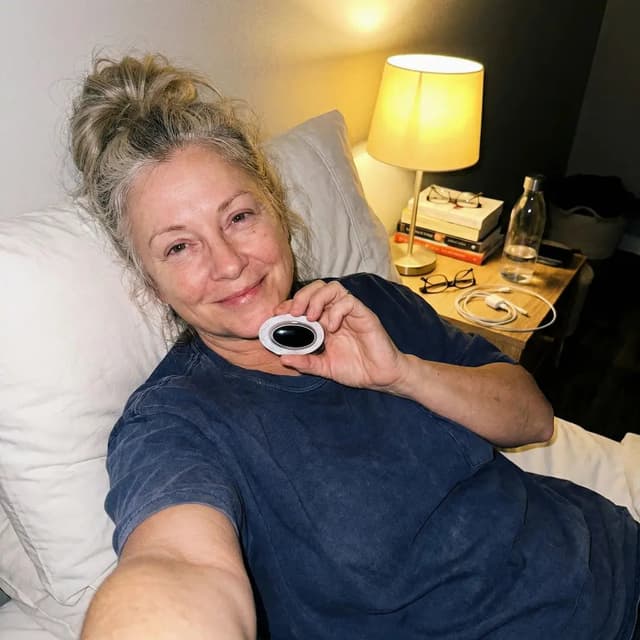
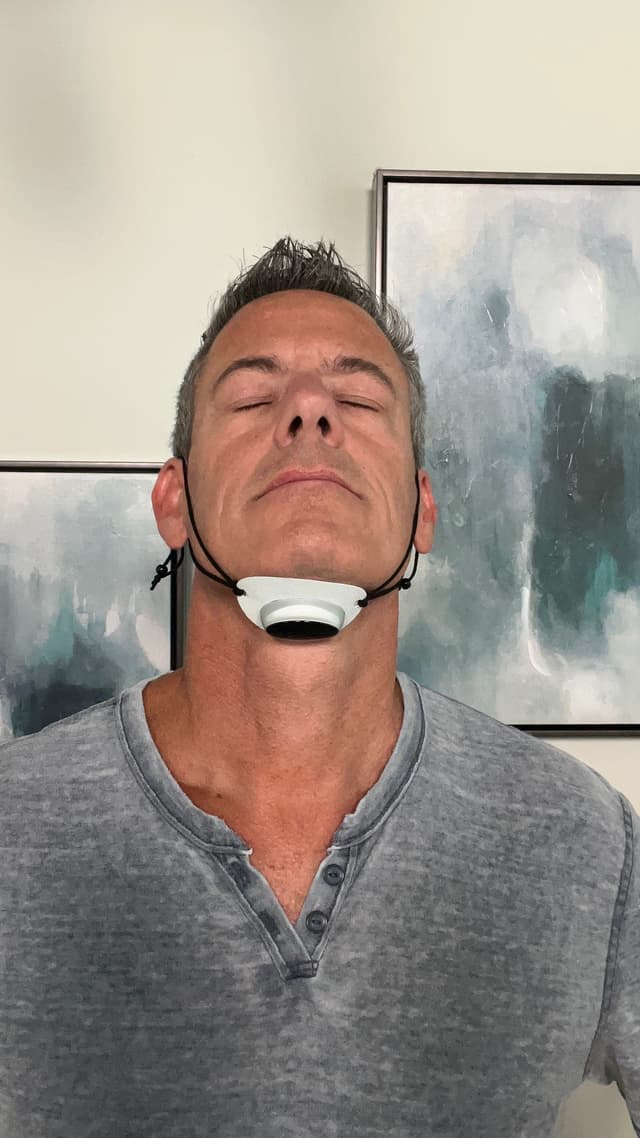
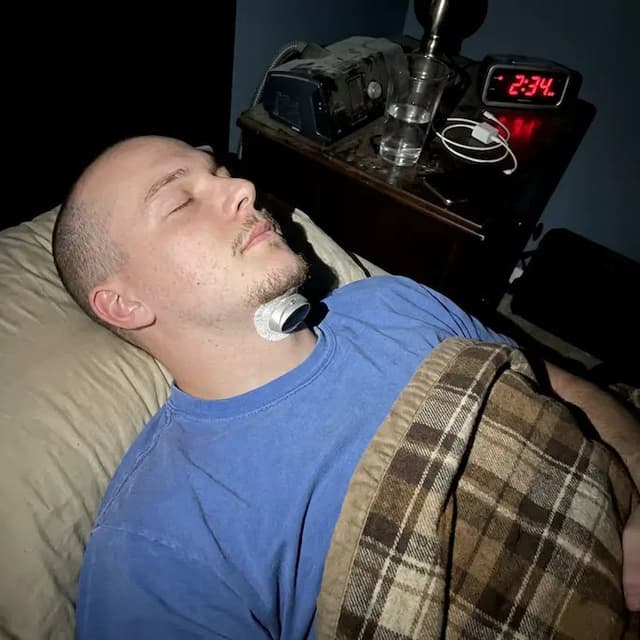
They address the cause, not just the noise. Earplugs and white noise machines treat the symptom for one person. The snoring itself comes from soft tissue collapsing into a relaxed airway, most often because the throat muscles have lost tone. That's trainable: structured throat exercises have solid evidence behind them, and devices that strengthen the airway muscles during sleep automate the same principle. It's the approach SleepEase Pro was built around, with a simple goal: silent breathing that belongs to the snorer, not to a machine, so both people get the bed back.
One conversation to have this week
If snoring has pushed you apart, name it kindly and set a deadline: "Let's actually fix this in the next three months." Get the snoring assessed (rule out sleep apnea, especially if there are pauses or gasping), pick a cause-level approach, and commit to it together. Couples get their nights back all the time. The only ones who don't are the ones who stop treating it as fixable.
This article is for informational purposes only and is not medical advice. SleepEase Pro is a wellness device and is not intended to diagnose, treat, cure, or prevent any disease. If you suspect you have sleep apnea or another sleep disorder, consult a qualified healthcare professional.