Throat Exercises for Snoring: Do They Really Work?
August 5, 2026 · 6 min read · By the SleepEase team
It sounds almost too simple to be true: do exercises for your tongue and throat, snore less. But of all the natural snoring approaches, this is the one with the most convincing research behind it. It's called myofunctional therapy (or oropharyngeal exercise), and it's worth understanding properly, including its one big weakness.
Why exercising your throat makes sense
Snoring is a muscle-tone problem. When you fall asleep, your throat muscles relax; if their baseline tone is low, the airway walls fall inward and vibrate. Every other quick fix, strips, sprays, position, works around that weakness. Exercise works on it. Muscles that are stronger during the day hold more residual tone during sleep, keeping the airway open enough to breathe silently.
What the research actually shows
Multiple randomized trials and meta-analyses of oropharyngeal exercise programs have measured:
- Snoring frequency and intensity reduced substantially, commonly reported in the range of 30-50% after around three months of daily practice.
- Meaningful reductions in apnea severity scores for people with mild to moderate obstructive sleep apnea.
- Reduced neck circumference and improved sleep quality scores in some studies.
These are respectable numbers for something free and risk-free. Sleep societies now mention myofunctional therapy as a legitimate adjunct approach.
A starter routine (10 minutes a day)
- Tongue slide: tip of tongue behind top teeth, slide it backward along the palate. 20 repetitions.
- Tongue press: flatten the whole tongue against the roof of the mouth and hold 5 seconds. 10 repetitions.
- Cheek resistance: press a finger against your cheek from outside while pushing back with the cheek muscle. 10 per side.
- Vowel power: pronounce exaggerated "A-E-I-O-U" sounds, engaging the back of the throat, for 3 minutes.
- Palate lift: say "ahh" while consciously lifting the soft palate (watch it rise in a mirror). 20 repetitions.
The honest weakness: adherence
Here's what the studies don't advertise: their results come from supervised programs where someone checks your technique and keeps you accountable. In real life, most people do tongue slides enthusiastically for two weeks and quietly stop. The muscles then do what untrained muscles do, they detrain. The therapy works; the humans are the unreliable part.
Automating the same principle
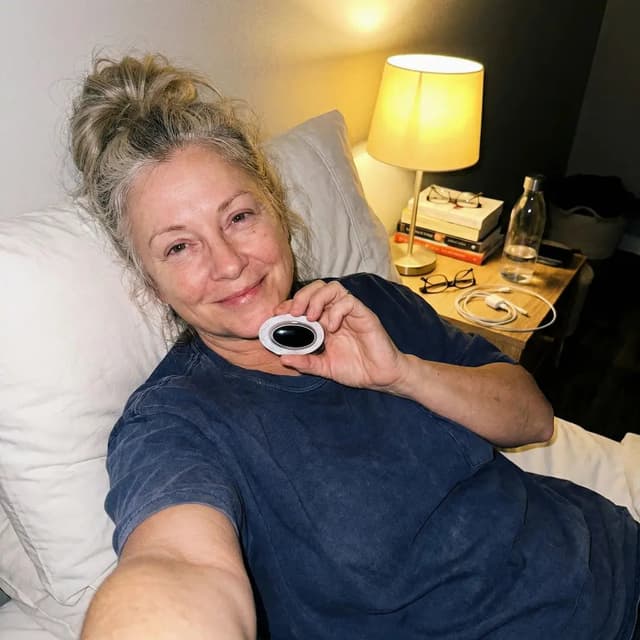
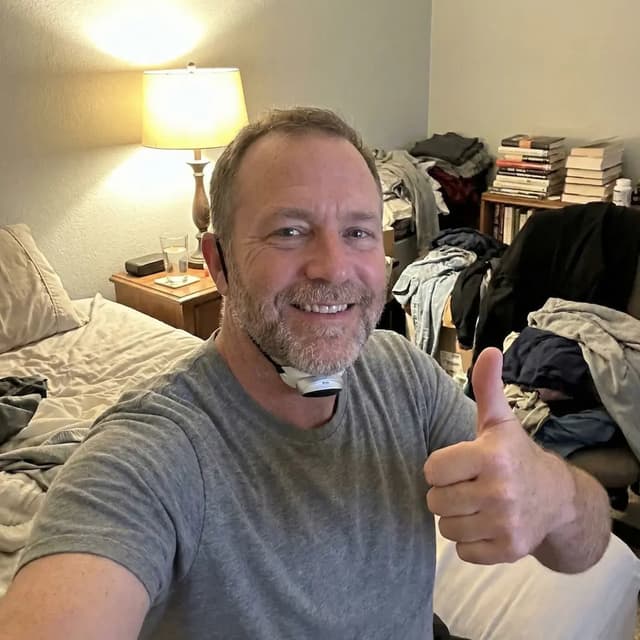
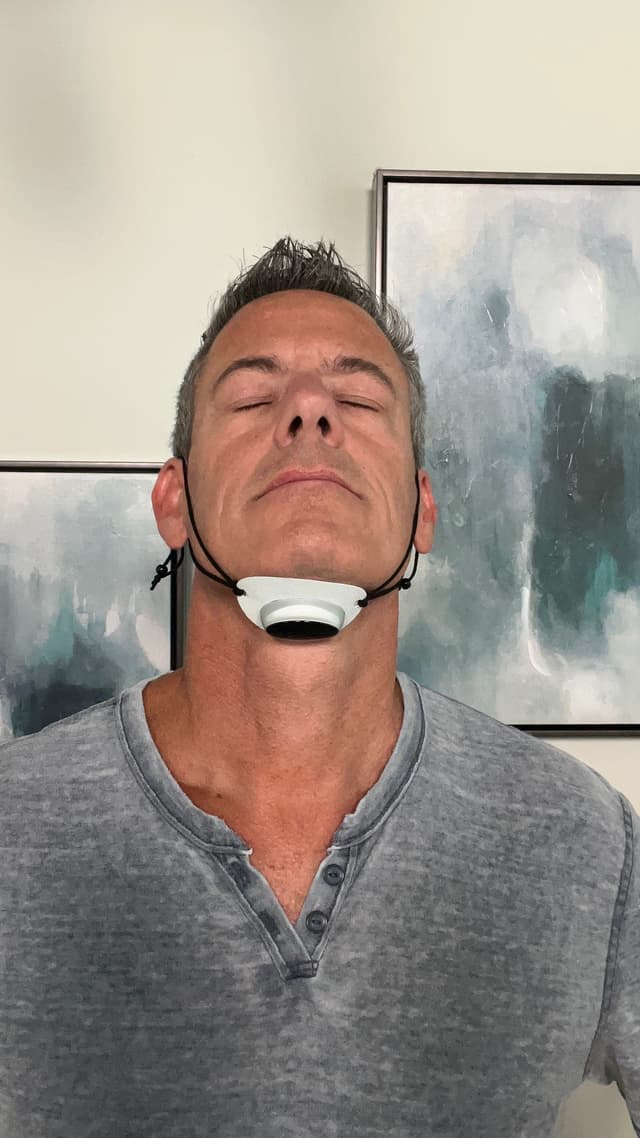
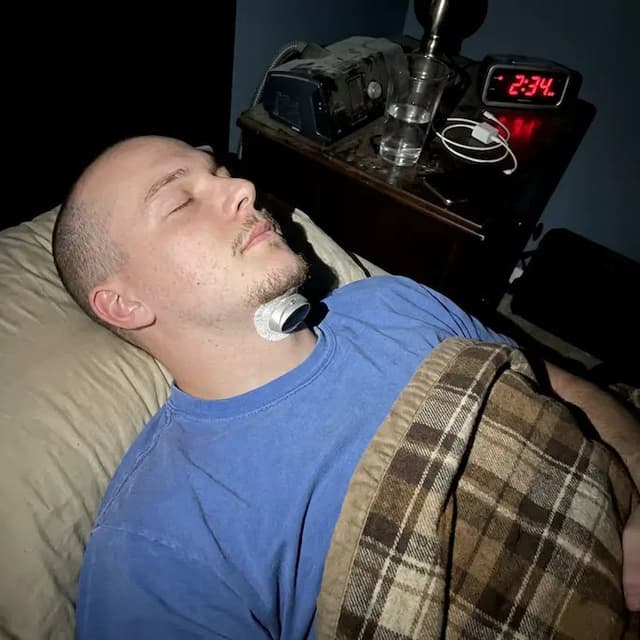
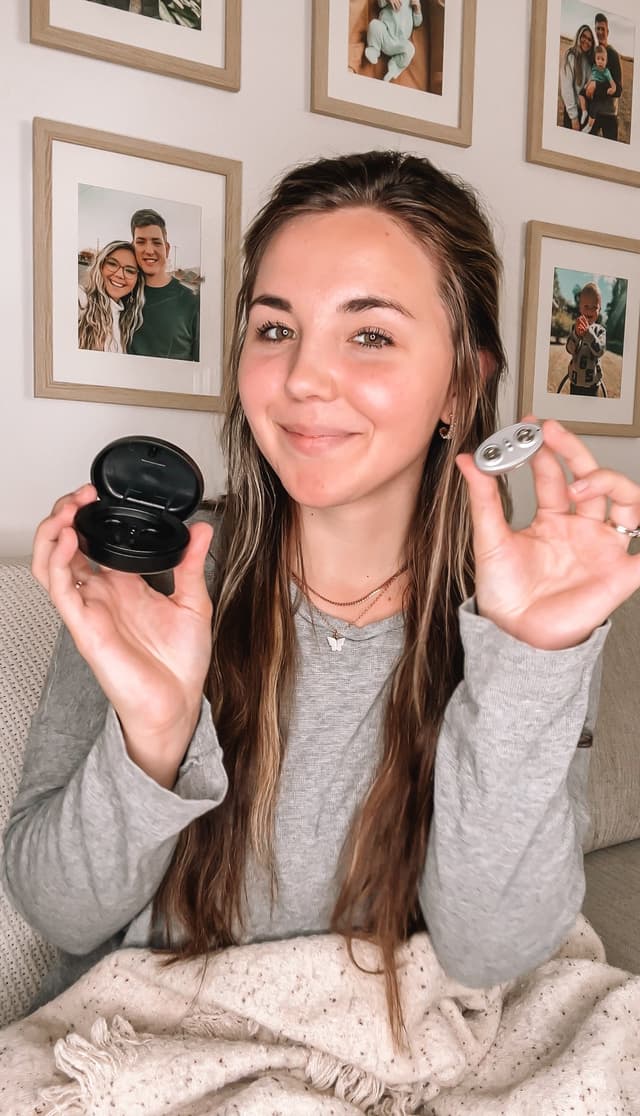
That adherence gap is exactly what neuromuscular electrical stimulation (EMS) approaches were designed to close. Instead of relying on daily willpower, a device delivers gentle stimulation to the same muscle groups, below the threshold of sensation during sleep, training tone automatically night after night. Same target, same principle as the exercises above, minus the discipline problem. It's the mechanism SleepEase Pro is built on: consistent training the exercises promise but rarely get, with the same endpoint, an airway that holds itself open.
The bottom line
Yes, throat exercises really work, with effect sizes worth having and zero downside. If you have the consistency to do them daily for months, start tonight with the routine above. If you know yourself well enough to doubt that, automate the training instead. Either way, you're addressing the actual cause, which beats another decade of managing the noise.
This article is for informational purposes only and is not medical advice. SleepEase Pro is a wellness device and is not intended to diagnose, treat, cure, or prevent any disease. If you suspect you have sleep apnea or another sleep disorder, consult a qualified healthcare professional.