What Is EMS and How Does It Help Snoring & Sleep Apnea?
July 30, 2026 · 6 min read · By the SleepEase team
If you've ever seen a physiotherapist attach electrodes to a patient's knee after surgery, you've seen EMS, electrical muscle stimulation, at work. The technology has been rebuilding and strengthening muscles in clinics and sports medicine for decades. Applying it to the muscles behind snoring and sleep apnea is newer, and once you understand the mechanism, surprisingly logical.
How EMS works in plain terms
Your brain normally contracts muscles by sending electrical impulses through nerves. EMS delivers similar low-level impulses from outside, causing the muscle to contract and relax in cycles. Do that repeatedly and the muscle adapts the way it would to exercise: better tone, better endurance, better responsiveness. That's why EMS is standard care for rebuilding muscles patients can't yet exercise voluntarily.
The airway connection
Snoring and obstructive sleep apnea share one root mechanism: the muscles of the tongue and throat lose tone, and during sleep, when all muscles relax, the airway narrows (snoring) or collapses entirely (apnea events). Since the problem is under-toned muscle, and EMS is a muscle-toning technology, researchers began testing stimulation of the tongue and upper airway muscles.
Daytime intraoral stimulation devices have gone through clinical trials, earned regulatory clearances for snoring and mild apnea, and published results showing reduced snoring time and improved apnea scores after weeks of regular use. The concept, train the airway like any other muscle group, moved from theory to accepted practice remarkably fast.
Training while you sleep
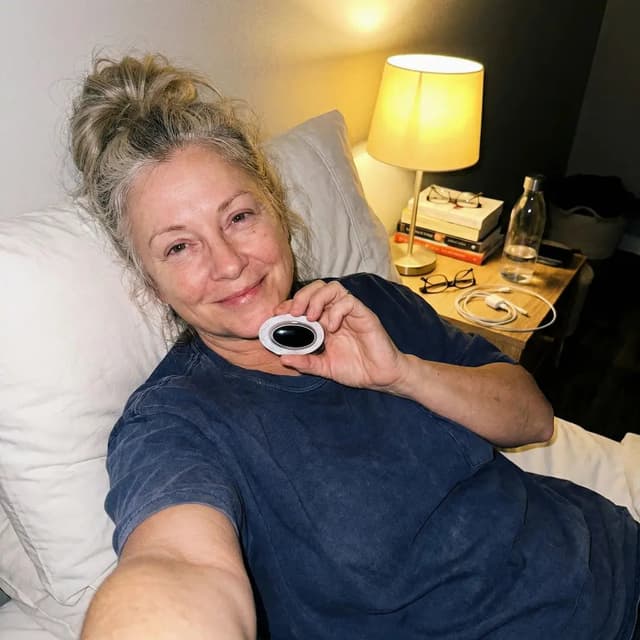
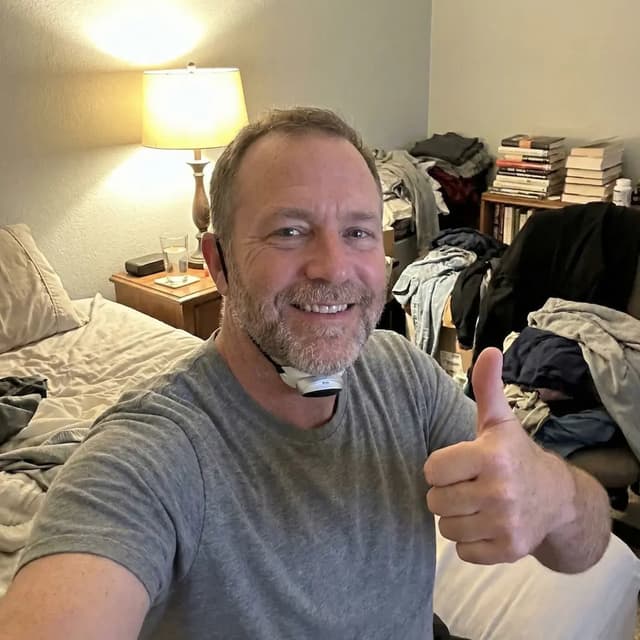
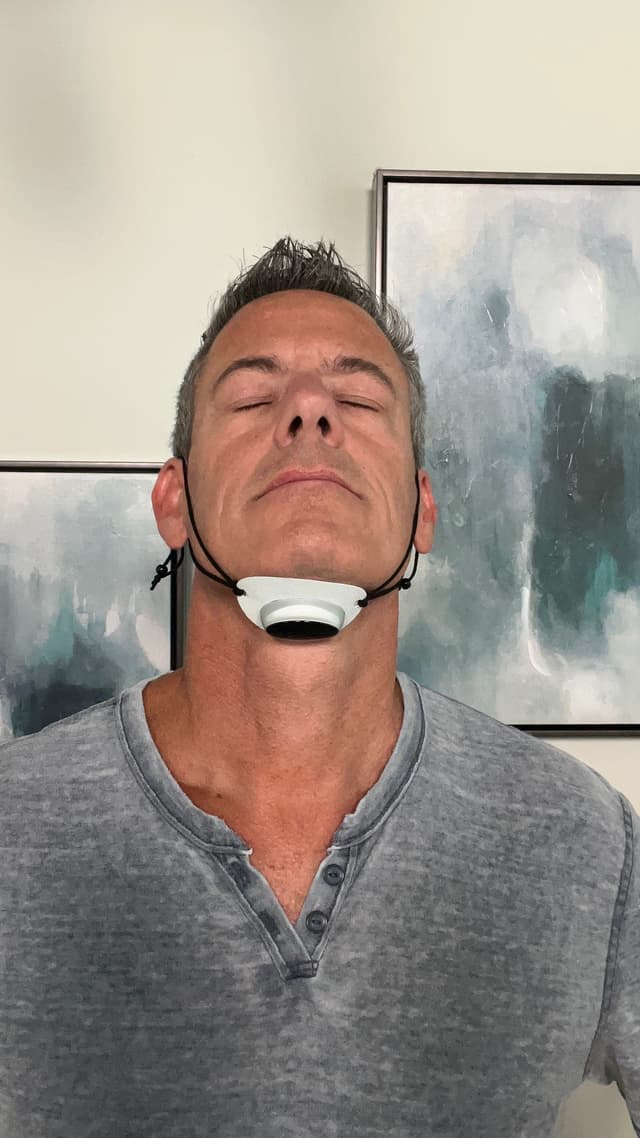
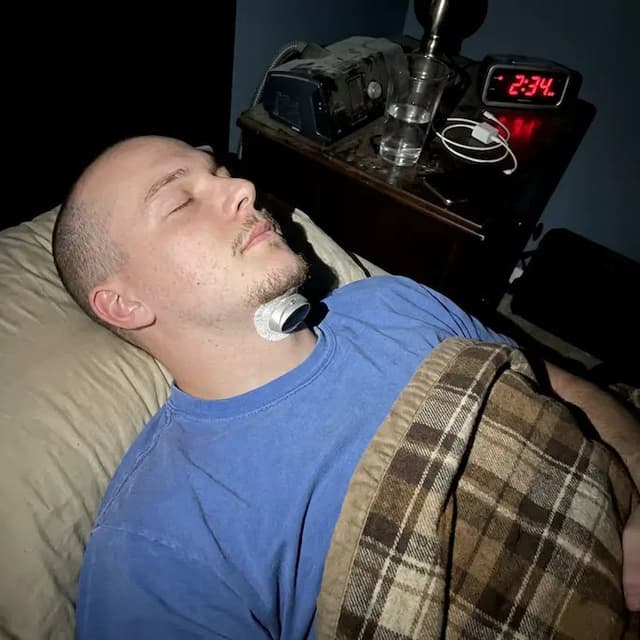
The newer generation of devices, SleepEase Pro among them, takes the same principle to the logical place: the night itself. Worn during sleep, gentle stimulation cycles work the airway muscles for hours at intensities calibrated to stay below the threshold that would wake you. Two things make this approach attractive:
- Zero adherence burden. The training happens while you sleep. No daily exercise session to skip, no daytime routine to remember.
- An endpoint. Because it builds muscle tone rather than splinting the airway mechanically, the goal is lasting improvement: after months of training, the muscles hold tone on their own, the way any trained muscle does. Occasional maintenance keeps it, the same way trained muscles are maintained.
What EMS is not
Honesty matters here. EMS airway training is not an overnight miracle: like any training, it builds over weeks and months. It is not a replacement for medical care in severe apnea, if you have significant obstructive sleep apnea, that conversation belongs with your doctor, whatever tools you consider. And not every device is equal: waveform, intensity control, and electrode placement determine whether stimulation actually trains the right muscles.
The bigger picture
For decades, the snoring and apnea toolbox contained only workarounds: push air through the collapse (CPAP), hold the jaw forward (oral appliances), cut tissue away (surgery). Muscle training, manual or EMS-driven, is the first mainstream approach that tries to fix the airway instead of fighting it every night. That's why it's the corner of sleep technology moving fastest, and the one worth watching if you've cycled through the workarounds already.
This article is for informational purposes only and is not medical advice. SleepEase Pro is a wellness device and is not intended to diagnose, treat, cure, or prevent any disease. If you suspect you have sleep apnea or another sleep disorder, consult a qualified healthcare professional.