How to Stop Snoring Naturally: 9 Methods That Help
July 19, 2026 · 6 min read · By the SleepEase team
If you snore, you've probably been offered every folk remedy in existence, from sewing a tennis ball into your pajamas to exotic herbal teas. Some natural approaches genuinely help; others are noise. Here are nine with real reasoning behind them, ordered roughly from "can help tonight" to "builds over months".
1. Change your sleeping position tonight
Back sleeping lets gravity pull your tongue into your airway. Side sleeping is the single fastest change most snorers can make. A body pillow makes it easier to hold the position, and yes, the tennis-ball trick is a legitimate low-tech version of positional therapy.
2. Skip alcohol in the 3 hours before bed
Alcohol relaxes throat muscles beyond their normal sleep state. If you snore mainly after drinking, this one change may transform your nights. Even on other nights, it reliably lowers snoring intensity.
3. Clear your nose before bed
Saline rinses, a hot shower, allergy management, or an external nasal strip all improve nasal airflow, and a working nose keeps your mouth closed, which keeps the noisy part of your airway quieter.
4. Raise the head of your bed
Elevating your upper body 10-15 centimetres (a wedge pillow works) reduces the backward collapse of soft tissue. It's a small effect, but it stacks with everything else here.
5. Keep a consistent sleep schedule
Sleep deprivation makes your muscles crash into deeper relaxation when you finally sleep, which worsens snoring. A regular schedule keeps your sleep architecture, and your airway, more stable.
6. Manage your weight
Extra tissue around the neck compresses the airway. Even moderate weight loss measurably reduces snoring for many people. Slow, but it addresses a real mechanical cause.
7. Stay hydrated
Dehydration thickens the secretions in your nose and soft palate, making tissue stickier and more vibration-prone. Unglamorous, easy, mildly helpful.
8. Train your throat muscles
Here's the one that changes the underlying problem. Snoring happens when relaxed muscles let soft tissue collapse and vibrate. Those muscles are trainable. Studies on oropharyngeal exercises, tongue slides, palate lifts, sustained vowel sounds, have measured snoring reductions of roughly a third to a half after about three months of daily practice.
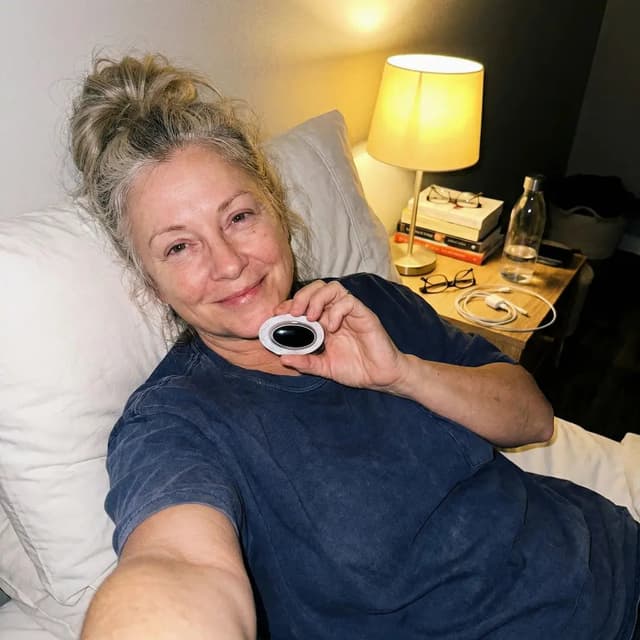
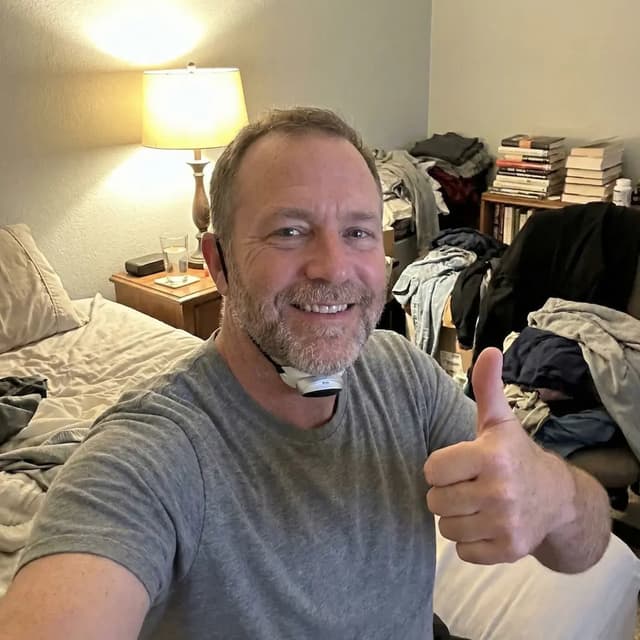
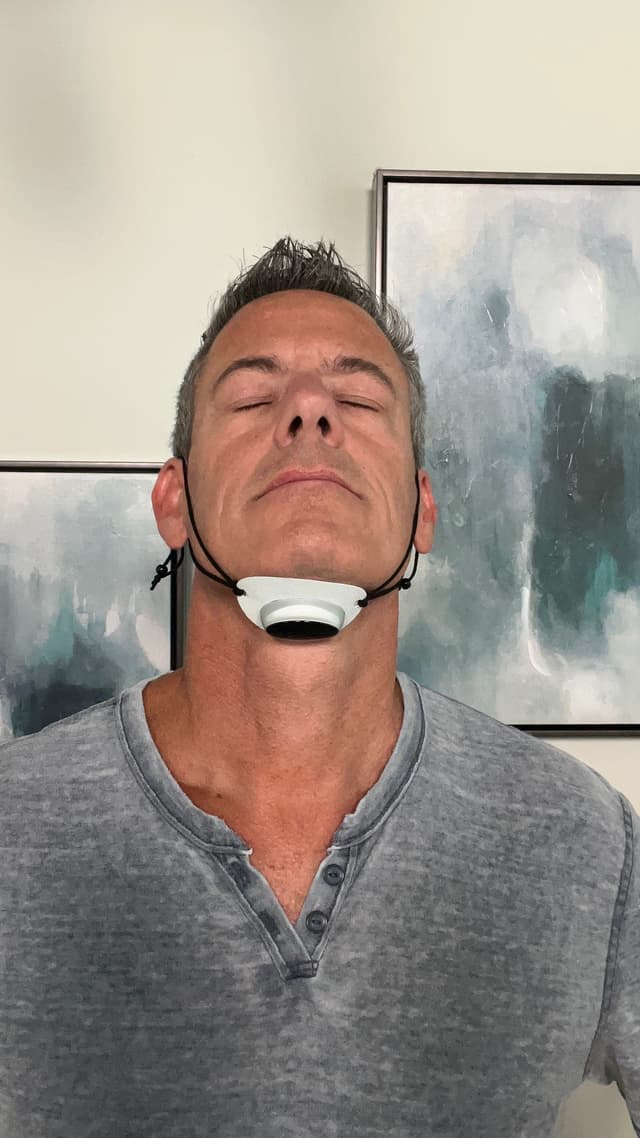
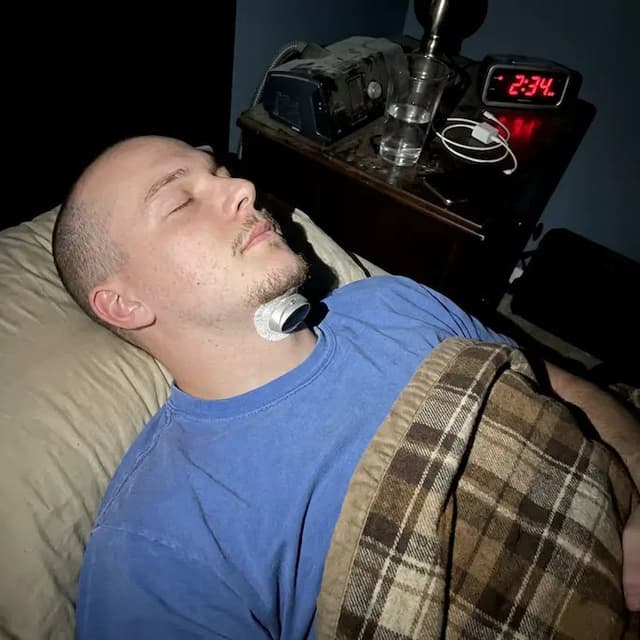
The honest catch: daily, unsupervised exercises for months is where most people quit. That difficulty is exactly what newer approaches automate, gentle neuromuscular stimulation can work the same muscles while you sleep, taking the discipline problem out of the equation. It's the principle behind SleepEase Pro: strengthen the airway itself, so the improvement doesn't disappear the night you stop.
9. Consider a humidifier
Dry air irritates and dries airway tissue. If you sleep in a heated or air-conditioned room, a humidifier reduces the raspiness that makes vibration louder.
When "natural" isn't enough
If your snoring comes with breathing pauses, choking awakenings, or crushing daytime fatigue, you may be dealing with sleep apnea rather than simple snoring, and that deserves a medical conversation, not just home remedies. Everything on this list still helps, but get the diagnosis too.
This article is for informational purposes only and is not medical advice. SleepEase Pro is a wellness device and is not intended to diagnose, treat, cure, or prevent any disease. If you suspect you have sleep apnea or another sleep disorder, consult a qualified healthcare professional.