Mouth Taping for Snoring: Benefits, Risks, Better Options
June 28, 2026 · 5 min read · By the SleepEase team
Scroll through sleep content on any platform and you'll find people taping their mouths shut at night, promising it cured their snoring, their fatigue, even their face shape. As usual with viral health hacks, there's a kernel of real physiology inside a lot of overclaim, and one genuinely important safety caveat.
The kernel of truth
Nasal breathing is objectively better than mouth breathing during sleep: the nose filters, warms, and humidifies air, and mouth breathing is associated with louder snoring, dry mouth, and worse dental health. When your mouth hangs open, your jaw and tongue drop backward, narrowing the airway. So the goal of keeping the mouth closed at night is legitimate.
What taping can and can't do
For people whose snoring is purely mouth-based, taping can reduce the noise; small studies report improvements in mouth-snorers. But here's the mechanical reality: tape closes your lips. It does nothing for your throat. Most chronic snoring, and essentially all obstructive sleep apnea, comes from soft tissue collapsing in the throat because the airway muscles lack tone. Taping the front door doesn't fix the collapsing hallway.
The safety caveat that matters
If your nose is blocked, or if you have undiagnosed sleep apnea, taping your mouth removes your backup airway. That's not a minor detail: people with apnea often rely on mouth breathing to recover from obstruction events. Anyone who snores loudly, gasps at night, or wakes exhausted should rule out sleep apnea with a doctor before experimenting with taping. Never tape a child's mouth, and never tape after drinking.
If nasal breathing is the goal, do it in order
- Fix the nose first. Saline rinses, allergy management, external nasal strips or dilators. Many "mouth breathers" are just people with congested noses.
- Try positional change. Side sleeping keeps the jaw and tongue forward naturally, no adhesive involved.
- If you still want tape, use purpose-made porous tape with a quick-release design, applied vertically, only after apnea has been ruled out.
Addressing what tape can't reach
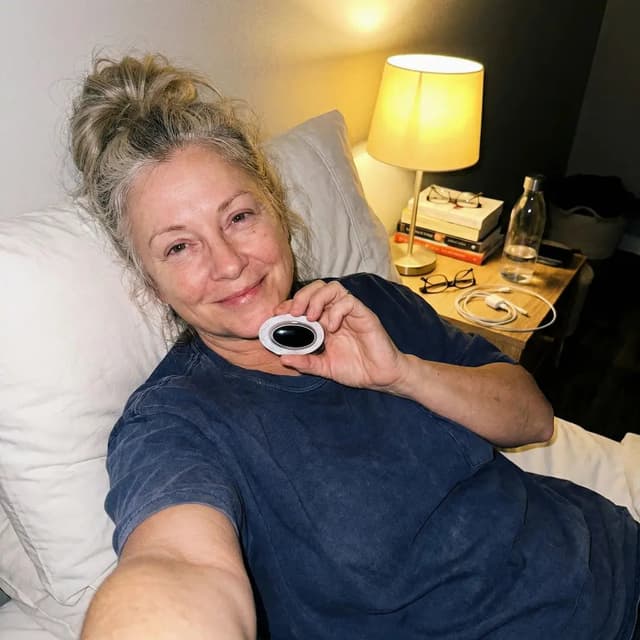
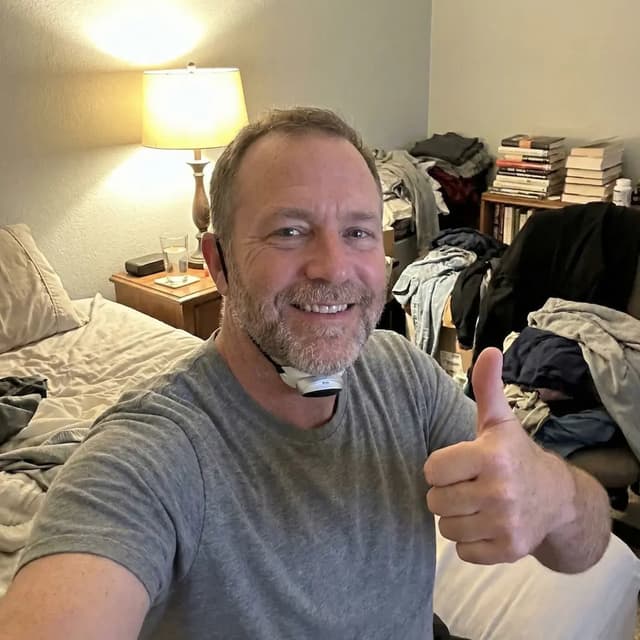
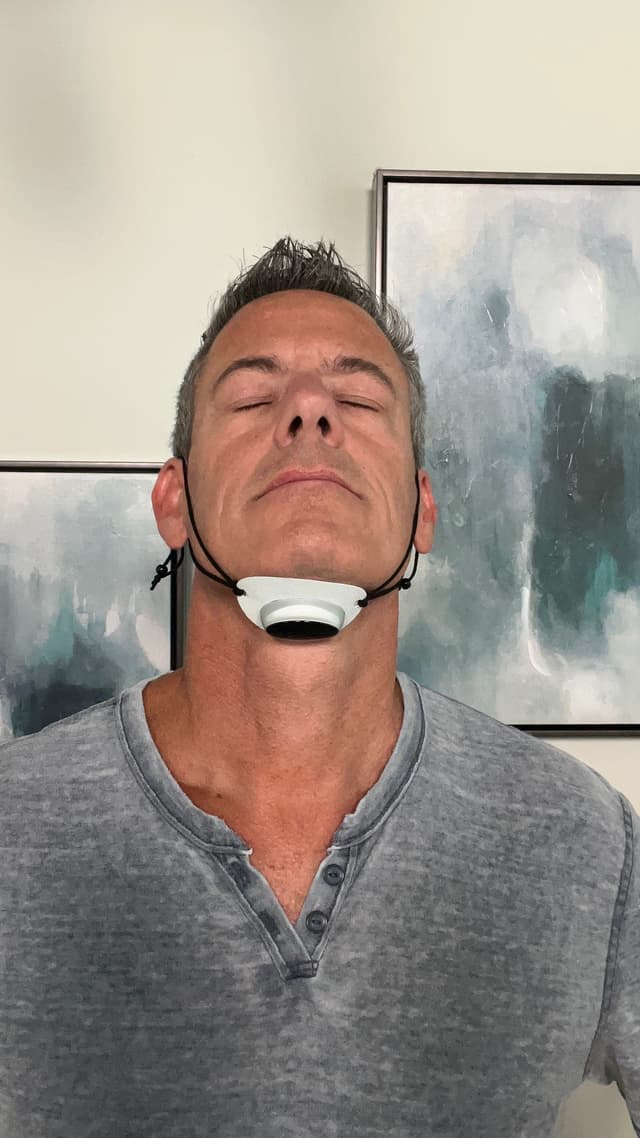
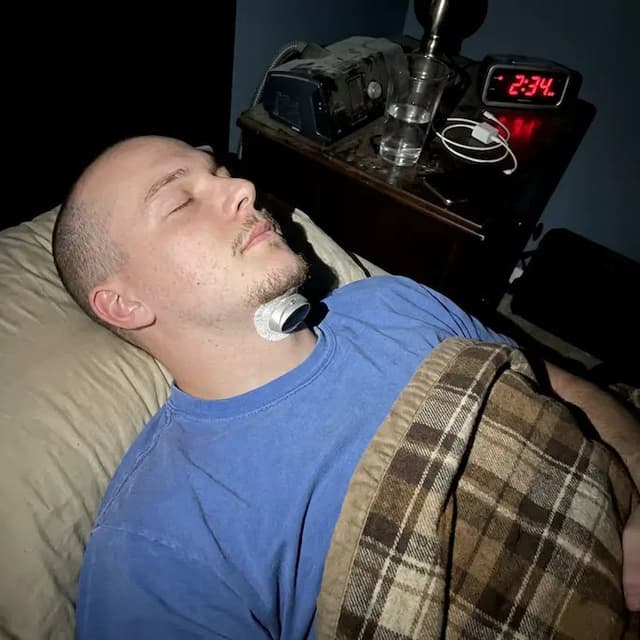
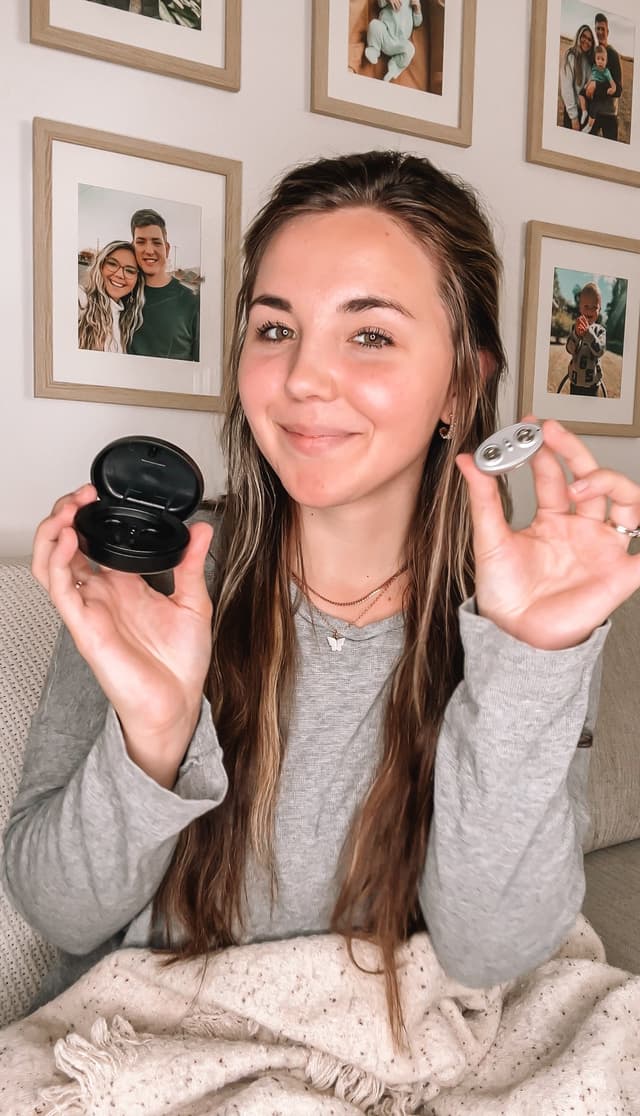
Because the real engine of chronic snoring is throat-muscle tone, the approaches with the strongest logic work on the muscles themselves: structured oropharyngeal exercises (well-supported by research, if you keep at them daily) or automated neuromuscular training that strengthens the same muscles during sleep, the principle behind SleepEase Pro. Strengthened airway muscles keep the passage open whether your lips are sealed or not, which is why muscle training addresses cases that taping fundamentally can't.
Verdict
Mouth taping is a niche tool with a real but narrow use case: confirmed mouth-snorers with clear noses and no apnea. It is not the root-cause fix social media sells it as. If your snoring is chronic, start with the airway itself, the muscles doing the collapsing, and leave the tape as a footnote rather than the plan.
This article is for informational purposes only and is not medical advice. SleepEase Pro is a wellness device and is not intended to diagnose, treat, cure, or prevent any disease. If you suspect you have sleep apnea or another sleep disorder, consult a qualified healthcare professional.