The Complete Sleep Hygiene Guide for Deeper Nights
July 5, 2026 · 7 min read · By the SleepEase team
"Sleep hygiene" sounds clinical, but it just means the habits and environment that determine how well your body does what it already knows how to do. None of these levers is dramatic alone; stacked together, they routinely turn ragged sleep into solid sleep. Here's the practical version, organized by timeline.
During the day
- Get morning light. Ten minutes of outdoor light within an hour of waking anchors your circadian clock, which controls when melatonin rises at night. This is the highest-leverage free habit in sleep science.
- Caffeine curfew: 8 hours before bed. Caffeine's half-life means an afternoon espresso is still active at midnight. If you sleep badly, move your last coffee to before 2pm and give it two weeks.
- Move your body. Regular exercisers fall asleep faster and get more deep sleep. Finish intense workouts at least 2-3 hours before bed.
- Nap smart. If you nap, keep it under 30 minutes and before mid-afternoon; long or late naps steal pressure from night sleep.
The evening wind-down
- Eat earlier, lighter. A heavy meal within two hours of bed fragments sleep, and for snorers, late eating and alcohol both measurably worsen airway relaxation.
- Alcohol honesty. A nightcap makes you fall asleep faster and sleep worse: more fragmentation, less REM, louder snoring. If you drink, earlier is better.
- Dim the world. Bright overhead light in the evening delays melatonin. Lamps instead of ceiling lights after dinner is a real intervention dressed as ambience.
- Park your worries. Two minutes writing tomorrow's to-do list measurably shortens the time it takes to fall asleep. Your brain stops rehearsing what it knows is captured.
The bedroom itself
- Cool: 17-19°C (63-66°F). Your core temperature must drop to initiate deep sleep. A cool room does half the work.
- Dark. Even moderate light during sleep is linked to shallower sleep. Blackout curtains or a sleep mask pay for themselves in a week.
- Quiet, or consistently noisy. A fan or white noise machine masks the variable sounds that cause micro-awakenings you don't remember but pay for.
- Bed = sleep. Working or doomscrolling in bed trains your brain to treat the mattress as an office. Keep the association clean.
The schedule that holds it together
Same wake time every day, weekends included, within an hour. A consistent wake time is the metronome the rest of your sleep organizes around; sleeping in three hours on Sunday gives you Monday jet lag without leaving town.
When hygiene isn't the problem
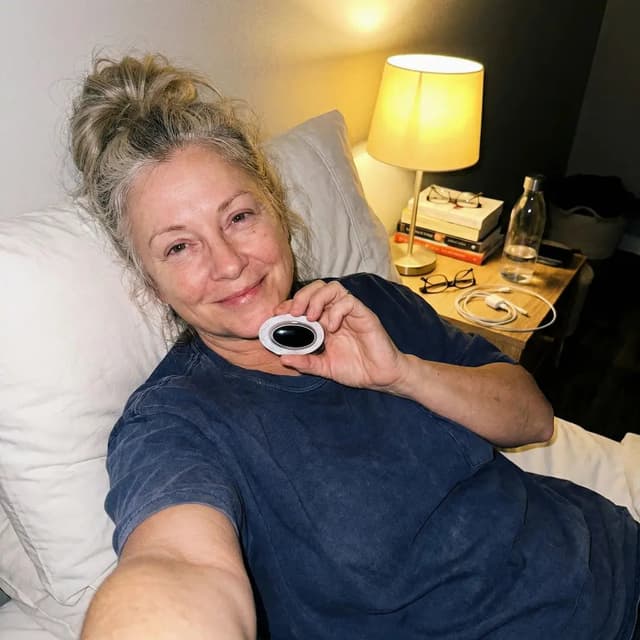
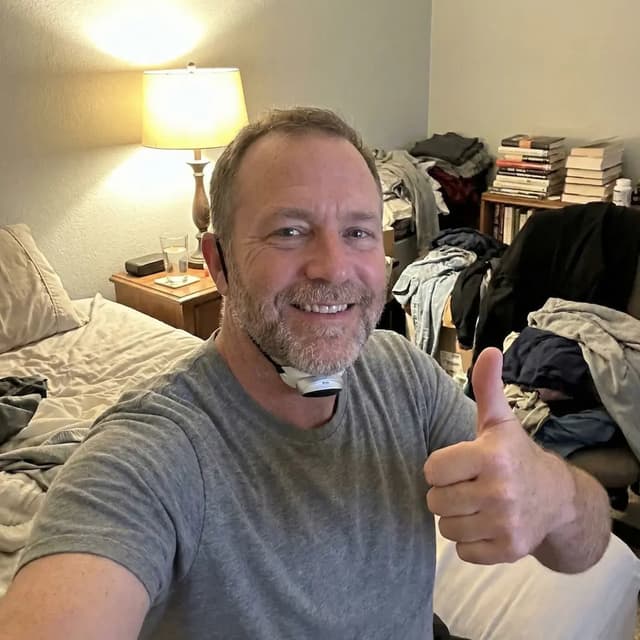
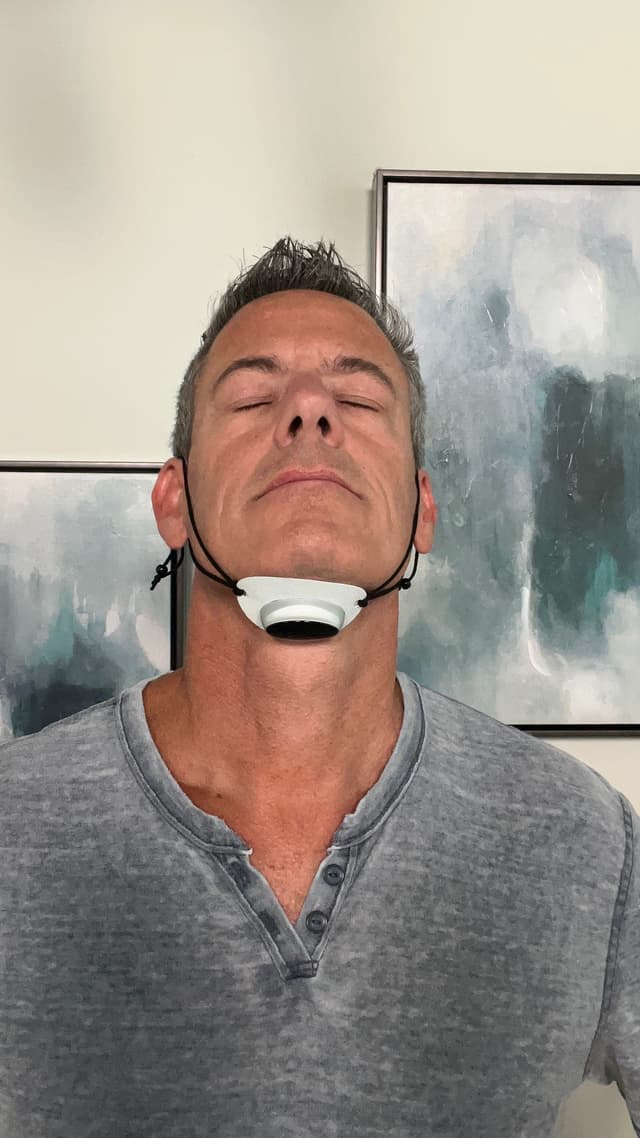
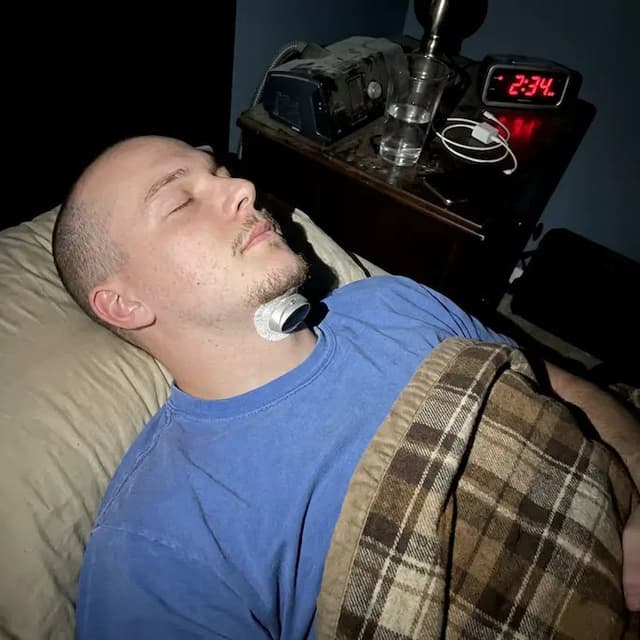
Here's the caveat this genre usually skips: if you do all of the above and still wake exhausted, snore loudly, or startle awake gasping, your problem probably isn't hygiene, it's mechanical. An airway that narrows or collapses during sleep, snoring and sleep apnea, fragments your night no matter how cool and dark the room is. That's a muscle-tone problem with its own solutions, from throat-muscle training to a medical sleep evaluation, and no amount of chamomile fixes it. Sort the mechanics, keep the hygiene, and the two together are how you get the nights that actually restore you.
This article is for informational purposes only and is not medical advice. SleepEase Pro is a wellness device and is not intended to diagnose, treat, cure, or prevent any disease. If you suspect you have sleep apnea or another sleep disorder, consult a qualified healthcare professional.